


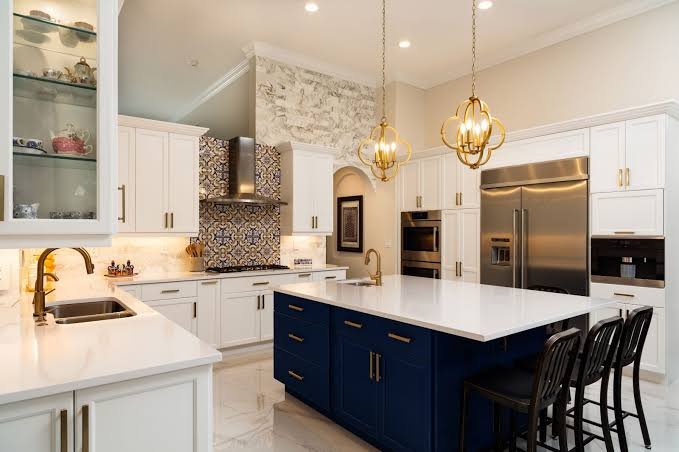
Planning a kitchen remodel is one of the most exciting home improvement projects you can take on. The kitchen has evolved far beyond being a place to cook meals—it’s where families gather, conversations happen, homework gets finished, and memories are made. A thoughtfully designed kitchen can improve your daily routine while significantly increasing your home’s value.
However, a successful kitchen remodel doesn’t happen by accident. It requires careful planning, realistic budgeting, and smart decisions about layouts, materials, and finishes. Whether you’re updating an outdated kitchen or completely transforming the space, understanding the remodeling process can save you time, money, and unnecessary stress.
This complete guide is designed specifically for homeowners who want to make informed decisions. From setting a budget to choosing cabinets, countertops, flooring, and lighting, you’ll learn everything you need to know before starting your project.
Why a Kitchen Remodel Is Worth the Investment
A kitchen remodel is one of the few home improvements that offers both immediate and long-term rewards. Every day, you’ll enjoy a more comfortable, functional, and attractive space that makes cooking and entertaining easier. Even small upgrades can dramatically improve how your kitchen feels and performs.
Another major benefit is increased property value. Buyers often pay close attention to kitchens when shopping for a home because remodeling one themselves can be expensive. A modern kitchen with quality finishes, efficient storage, and updated appliances often helps a home sell faster and at a better price. While not every project returns every dollar spent, a well-planned kitchen renovation consistently ranks among the best home improvement investments.
Beyond financial value, remodeling also improves energy efficiency. Replacing old appliances with energy-efficient models, installing LED lighting, upgrading windows, or improving insulation can lower monthly utility bills. These improvements not only save money over time but also create a more environmentally friendly home.
Planning Your Kitchen Remodel Before Demolition Begins
The planning stage is the foundation of every successful kitchen remodel. Rushing into demolition without a clear plan often leads to costly mistakes and delays. Before choosing materials or hiring contractors, think carefully about how your family actually uses the kitchen on a daily basis.
Start by identifying what works and what doesn’t. Maybe you need more countertop space for meal preparation, better storage for cookware, or improved lighting over work areas. Perhaps your current layout causes unnecessary traffic or makes cooking inconvenient. Making a list of priorities helps ensure your remodeling budget is spent where it matters most.
It’s also helpful to collect inspiration before making design decisions. Browse home design magazines, online galleries, and social media platforms to save kitchens that match your style. Instead of copying one design exactly, look for common features you love, such as cabinet colors, backsplash patterns, lighting fixtures, or island layouts. This approach creates a personalized kitchen that reflects your taste while remaining practical.
Creating a Realistic Budget for Your Kitchen Remodel
Budgeting is one of the most important steps in any kitchen remodel. Without a realistic financial plan, costs can quickly spiral out of control. Start by determining the maximum amount you’re comfortable spending, then divide that budget into categories such as cabinets, countertops, flooring, appliances, labor, plumbing, electrical work, and finishing touches.
One common mistake homeowners make is spending every dollar on visible upgrades while forgetting hidden expenses. Plumbing repairs, electrical updates, permits, structural changes, and unexpected problems behind walls can add significant costs. Experts generally recommend setting aside 10–20% of your total budget as a contingency fund for surprises that may appear once demolition begins.
Remember that the most expensive option isn’t always the best choice. Many mid-range materials provide outstanding durability and appearance at a fraction of premium prices. For example, quartz countertops often offer similar beauty to natural stone while requiring less maintenance. Likewise, quality stock cabinets can look just as impressive as custom cabinetry when paired with attractive hardware and professional installation.
Choosing the Perfect Kitchen Layout
The layout is the heart of every successful kitchen remodel because it determines how efficiently the space functions. A beautiful kitchen isn’t truly successful if it’s difficult to cook, clean, or move around comfortably. That’s why professional designers place so much emphasis on workflow before selecting colors or decorative finishes.
One of the most well-known design concepts is the kitchen work triangle, which connects the refrigerator, sink, and stove. Keeping these three areas within a comfortable distance minimizes unnecessary walking while preparing meals. Modern kitchens may expand on this idea by creating separate preparation, cooking, cleaning, and serving zones depending on the household’s needs.
Homeowners have several layout options to consider. L-shaped kitchens maximize corner space and create an open feel, making them ideal for entertaining. U-shaped kitchens offer abundant storage and countertop space for serious cooks. Galley kitchens work exceptionally well in smaller homes by placing everything within easy reach, while island kitchens provide additional seating, storage, and workspace. The right choice depends on your available space, lifestyle, and remodeling goals.
Selecting Cabinets That Combine Style and Storage
Cabinets often represent the largest portion of a kitchen remodel budget, making them one of the most important decisions you’ll make. Besides defining the overall appearance of the room, cabinets determine how effectively you can organize cookware, dishes, food, and small appliances. Choosing quality cabinets ensures they’ll continue looking great for many years.
There are three primary cabinet options available. Stock cabinets are the most affordable and come in standard sizes, making them ideal for budget-conscious homeowners. Semi-custom cabinets offer greater flexibility in dimensions, finishes, and storage features. Custom cabinets provide unlimited design possibilities but come with the highest price tag. Each option has advantages depending on your budget and design goals.
Storage features can dramatically improve convenience without requiring a larger kitchen. Soft-close drawers, pull-out pantry shelves, spice organizers, lazy Susans, hidden trash bins, and deep drawers for pots and pans make everyday tasks easier. Investing in smart storage solutions often delivers greater satisfaction than simply choosing more expensive finishes.
Choosing the Best Countertops and Backsplashes
Countertops are one of the first things people notice after a kitchen remodel, so selecting the right material is important. Your countertops should complement the overall design while standing up to everyday wear and tear. Since this is one of the most frequently used surfaces in your home, durability should be just as important as appearance.
Quartz remains one of the most popular choices because it is non-porous, resistant to stains, and requires very little maintenance. Granite offers a natural, high-end appearance with unique patterns, although it usually needs periodic sealing. Butcher block adds warmth and character to a kitchen, making it an excellent choice for farmhouse or rustic designs, while laminate continues to improve in quality and affordability for homeowners working with a tighter budget.
A backsplash completes the look of your countertops while protecting your walls from water, grease, and food splashes. Subway tile is a timeless favorite that works with nearly every kitchen style. Glass tiles add brightness by reflecting light, while natural stone creates a luxurious appearance. During your kitchen remodel, choosing a backsplash that complements rather than competes with your countertops helps create a balanced and cohesive design.
Picking the Right Flooring for Long-Term Durability
Flooring experiences constant foot traffic, spills, and dropped cookware, making it one of the hardest-working parts of any kitchen. During your kitchen remodel, prioritize materials that are durable, water-resistant, and easy to maintain. The right flooring should continue looking great even after years of daily use.
Luxury Vinyl Plank (LVP) has become one of the most recommended flooring options because it closely resembles hardwood while offering excellent resistance to water and scratches. Porcelain tile is another outstanding choice due to its exceptional durability and low maintenance. Hardwood flooring creates a warm and elegant appearance but requires extra care to prevent moisture damage.
Color also plays an important role. Lighter flooring can make smaller kitchens feel larger and brighter, while medium tones often hide dust and footprints more effectively than very dark floors. Matching your flooring with your cabinets and countertops ensures your kitchen remodel has a polished and professionally designed appearance.
Lighting Can Transform Your Kitchen
Lighting is often overlooked, yet it has one of the biggest impacts on the success of a kitchen remodel. A well-lit kitchen feels more inviting, safer to work in, and visually larger. Instead of relying on one ceiling fixture, combine multiple lighting types to create a balanced environment.
Ambient lighting provides overall illumination throughout the room. Recessed ceiling lights are a popular choice because they distribute light evenly without taking up visual space. Task lighting focuses on work areas like countertops, sinks, and cooktops. Under-cabinet LED lighting is particularly effective because it eliminates shadows while preparing food.
Accent lighting adds personality and style. Pendant lights above a kitchen island create a decorative focal point while also providing practical lighting for dining or entertaining. Inside-cabinet lighting, toe-kick lighting, or illuminated glass cabinets can give your kitchen remodel a high-end appearance without dramatically increasing the budget.
Choosing Energy-Efficient Appliances
New appliances are often a major highlight of a kitchen remodel. Besides improving your kitchen’s appearance, modern appliances offer better performance, lower energy consumption, and smarter technology than older models.
When selecting appliances, consider your cooking habits rather than simply choosing the largest or most expensive options. A family that cooks daily may prioritize a high-performance range and spacious refrigerator, while occasional cooks might benefit more from flexible storage and easy-to-clean features. Matching appliance finishes, such as stainless steel or matte black, creates a more unified design.
Look for ENERGY STAR® certified appliances whenever possible. They consume less electricity and water while delivering excellent performance. Over time, these savings can offset part of the initial investment, making your kitchen remodel more economical in the long run.
Common Kitchen Remodel Mistakes to Avoid
Even carefully planned projects can encounter problems if homeowners overlook important details. One of the most common mistakes during a kitchen remodel is focusing entirely on appearance while ignoring functionality. A beautiful kitchen should also be comfortable and efficient to use every day.
Another frequent mistake is underestimating the budget. Unexpected plumbing issues, outdated electrical wiring, or structural repairs can quickly increase expenses. Keeping a contingency fund prevents these surprises from disrupting your project or forcing compromises later.
Many homeowners also choose trends that quickly become outdated. While it’s perfectly fine to include a few trendy accents, selecting timeless cabinets, countertops, flooring, and layouts ensures your kitchen remodel continues looking stylish for many years.
Hiring the Right Contractor
The contractor you choose can determine whether your kitchen remodel becomes an enjoyable experience or a stressful one. Take time to research local professionals, read reviews, verify licenses, and request references from previous clients before signing a contract.
Always request multiple written estimates. Comparing bids helps you understand market pricing while identifying unusually low quotes that may indicate shortcuts or hidden costs. A detailed contract should clearly outline the project scope, payment schedule, timeline, warranty information, and materials being used.
Communication is equally important. A reliable contractor answers questions promptly, explains the remodeling process clearly, and keeps you informed about progress. Establishing expectations early helps avoid misunderstandings and ensures your kitchen remodel stays on schedule.
Understanding the Kitchen Remodel Timeline
Every kitchen remodel follows a slightly different schedule depending on its complexity. Minor cosmetic updates may only require a few weeks, while complete renovations involving structural changes can take several months.
The project usually begins with planning, budgeting, and design selection. Next comes ordering cabinets, countertops, flooring, and appliances. Since some materials have long delivery times, placing orders early helps prevent unnecessary delays once construction begins.
Construction generally follows a logical sequence: demolition, plumbing and electrical work, framing if needed, drywall, flooring, cabinetry, countertops, backsplash installation, painting, appliance installation, and final inspections. Understanding this process helps homeowners prepare for temporary disruptions while maintaining realistic expectations.
Final Tips for a Successful Kitchen Remodel
The best kitchen remodel balances beauty, functionality, and long-term value. Focus on improvements that genuinely enhance your daily life instead of trying to include every popular trend. Smart storage, quality materials, and efficient layouts usually provide greater satisfaction than purely decorative upgrades.
Take your time making important decisions. Cabinets, flooring, and countertops are long-term investments that you’ll live with every day. Choosing durable materials and timeless finishes helps ensure your kitchen remains attractive for years without requiring another major renovation.
Finally, remember that careful planning almost always saves money. A clear budget, realistic timeline, trusted contractor, and detailed design plan reduce costly surprises and help your kitchen remodel progress smoothly from start to finish.
Conclusion
A kitchen remodel is one of the most rewarding improvements you can make as a homeowner. While the process requires thoughtful planning and financial investment, the result is a space that improves your daily routine while increasing your home’s value.
By setting a realistic budget, selecting durable materials, optimizing the layout, investing in quality cabinets and appliances, and working with experienced professionals, you can create a kitchen that combines style with practicality. Every decision should support both your current lifestyle and your long-term goals.
Whether you’re completing a modest refresh or a full-scale renovation, approaching your kitchen remodel with careful planning and realistic expectations will help ensure lasting satisfaction. With the right choices, your new kitchen will remain the heart of your home for many years to come.
Frequently Asked Questions (FAQs)
1. How much does a kitchen remodel usually cost?
The cost varies depending on the size of the kitchen, materials, and labor. Small remodels may cost several thousand dollars, while complete renovations with premium materials can cost significantly more.
2. How long does a kitchen remodel take?
Most projects take between 6 and 12 weeks after construction begins, although larger renovations may require additional time.
3. Which upgrade adds the most value?
Quality cabinets, durable countertops, modern appliances, and an efficient layout generally provide the highest return on investment.
4. Should I remodel my kitchen before selling my home?
If your kitchen is outdated or poorly functioning, a well-planned kitchen remodel can make your home more attractive to buyers and potentially increase its selling price.
5. What is the best countertop material?
Quartz is widely considered one of the best options because it combines durability, low maintenance, and an attractive appearance.
6. Can I live in my house during a kitchen remodel?
Yes, many homeowners remain in their homes during the project, although you’ll likely need a temporary cooking area until the kitchen is completed.