


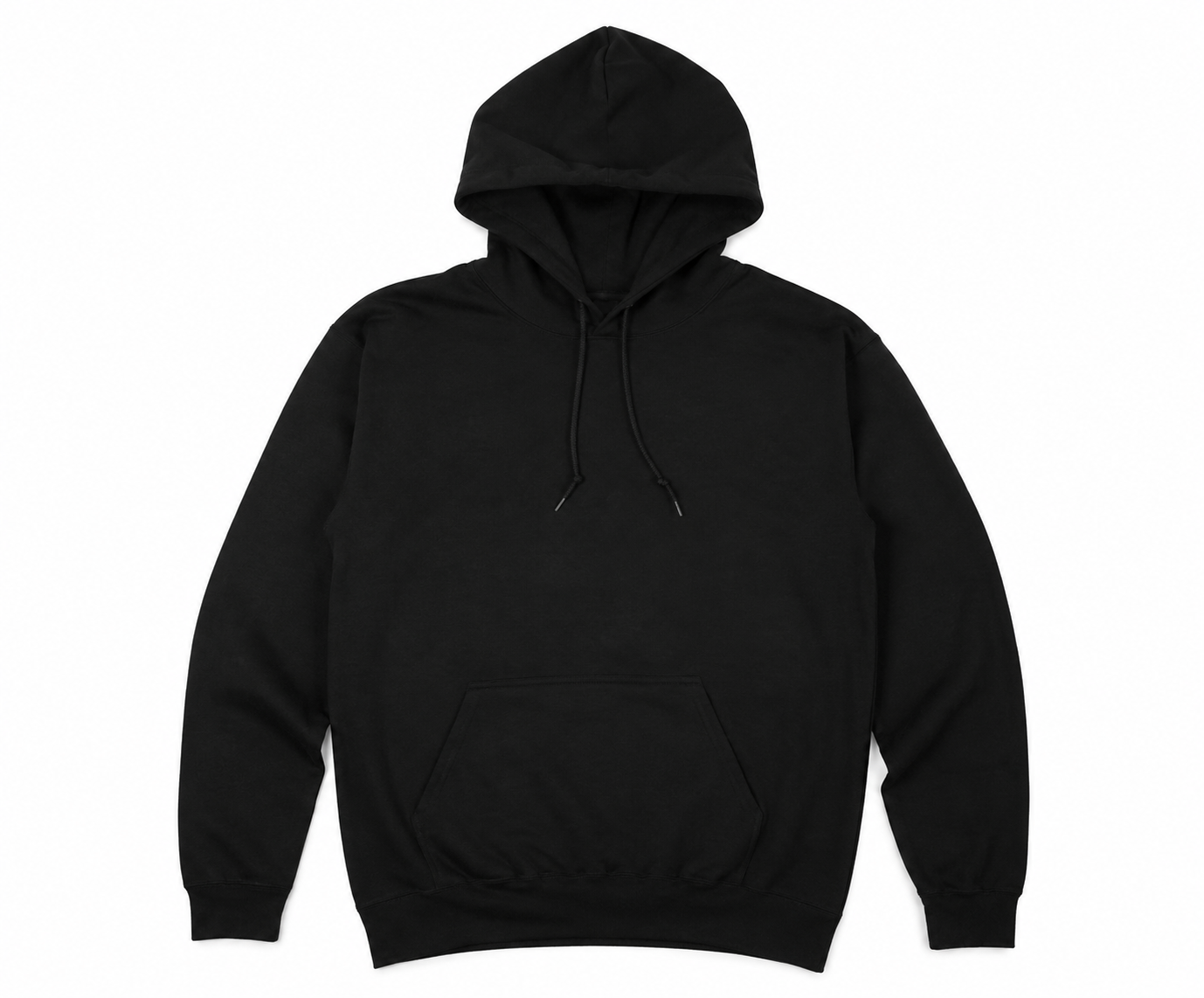
Launching a private label hoodie brand can be exciting, but finding the right manufacturing partner is one of the most important decisions you will make. A hoodie may look like a simple product, but producing a high-quality garment involves fabric selection, pattern development, cutting, stitching, printing, finishing, quality control, and packaging.
Working with a professional hoodie manufacturing factory for private label brand production allows you to turn your designs into finished products without having to build your own manufacturing facility. Whether you are starting a small streetwear label or developing a larger fashion collection, the right factory can help you control quality, costs, customization, and production timelines.
What Is a Private Label Hoodie Manufacturer?
A private label hoodie manufacturer produces hoodies for a brand that sells the garments under its own name and branding. Instead of purchasing generic hoodies and simply adding a logo, a private label manufacturer can produce garments according to your specifications.
This can include custom fabric, colors, measurements, labels, embroidery, screen printing, puff printing, woven patches, packaging, and other details. The finished hoodie is then supplied to your business and presented as part of your own brand collection.
For a growing clothing business, this model provides much more flexibility than buying ready-made wholesale products. You can develop a product that reflects your brand’s identity and target customers rather than selling the same hoodie that many other businesses already have.
Why Choose a Hoodie Manufacturing Factory for Your Brand?
One of the biggest advantages of working directly with a hoodie manufacturing factory is customization. Your brand may have a specific fit, fabric weight, color palette, or design concept that is difficult to find in ready-made products.
A professional factory can work from your technical specifications and samples. You can discuss details such as oversized fits, drop shoulders, ribbed cuffs, kangaroo pockets, zipper styles, drawcords, and hood construction before production begins.
Another important advantage is consistency. Once your hoodie specifications have been approved, the factory can follow the same construction and quality requirements across future production runs. This is especially useful when you are building a recognizable clothing brand and want customers to receive a consistent product every time they order.
Choosing the Right Hoodie Fabric
Fabric selection has a major impact on how a hoodie feels, looks, and performs. A private label brand should decide on fabric based on its target market, season, price point, and overall brand positioning.
Cotton is one of the most popular choices because it provides a comfortable and natural feel. Cotton-polyester blends are also widely used because polyester can improve durability, shape retention, and drying performance. For premium collections, heavyweight cotton fabrics may be selected to create a structured and substantial hoodie.
GSM, or grams per square meter, is another important specification. A lower GSM fabric generally creates a lighter garment, while a higher GSM can produce a heavier and more substantial hoodie. The ideal GSM depends on the intended product and market. Rather than choosing fabric simply because it is described as “heavyweight” or “premium,” brands should request fabric specifications and samples before approving bulk production.
Custom Hoodie Design and Development
A private label hoodie starts with a design concept. This could be a simple logo hoodie, an oversized streetwear piece, an embroidered sweatshirt, or a completely custom garment developed from scratch.
The manufacturer may require artwork, measurements, tech packs, reference samples, or other specifications. A detailed tech pack can make communication easier because it gives the factory clear information about construction, measurements, materials, colors, branding, and finishing requirements.
Sampling is an important part of this process. Before committing to bulk production, the brand should evaluate the sample carefully. Check the fit, fabric, stitching, hood shape, pocket position, ribbing, print placement, embroidery, labels, and overall appearance. Any required changes should be communicated before bulk manufacturing starts.
Private Label Branding Options
Branding is what turns a manufactured hoodie into a recognizable private label product. A factory can usually provide several branding options depending on your requirements.
Neck labels can include your brand name, logo, size, and other information. Woven labels are commonly used for a premium appearance, while printed labels can provide a softer finish without an additional sewn label. Care labels can also be added with washing instructions and fiber information.
Packaging is another opportunity to strengthen your brand identity. Custom polybags, stickers, hangtags, tissue paper, and other packaging elements can be discussed with the manufacturer. These details may seem small, but they can make the customer’s unboxing experience feel more professional and consistent with the rest of your brand.
Hoodie Printing and Embroidery
Graphics are often a major part of private label hoodie collections. Depending on the design, a manufacturer may offer screen printing, digital printing, heat transfer, puff printing, embroidery, or other decoration methods.
Screen printing is commonly used for larger graphic designs and can work well for many production quantities. Digital printing may be suitable for detailed artwork and designs containing multiple colors. Embroidery creates a textured appearance and is often used for logos, lettering, and smaller designs.
The decoration method should be selected according to the artwork, fabric, quantity, desired appearance, and budget. A good manufacturer should be able to explain the available options and provide a sample so you can evaluate the final result before approving production.
Understanding Minimum Order Quantities
Minimum order quantity, commonly called MOQ, is an important consideration for new private label brands. Factories establish MOQs because production involves setup, fabric purchasing, cutting, sewing, printing, packaging, and other costs.
Some manufacturers may require large quantities, while others work with smaller brands and offer lower MOQs. If you are launching your first collection, starting with a manageable quantity can reduce the financial risk of holding too much inventory.
It is also worth asking whether the MOQ applies per style, per color, or per size. For example, a factory might have one MOQ for a complete style but different requirements for custom colors or specialized fabrics. Understanding these details before placing an order can prevent unexpected costs.
Quality Control in Hoodie Manufacturing
Quality control should be treated as a core part of the manufacturing process rather than something checked only at the end. A professional factory should have processes for checking fabric, cutting, stitching, printing, measurements, finishing, and packing.
Common quality checks include seam strength, stitching consistency, fabric defects, color consistency, print quality, embroidery accuracy, measurements, and garment appearance. Measurements should be compared with the approved size chart to make sure the finished products remain within the agreed tolerances.
Brands should also establish their quality expectations before production begins. If you have specific requirements for shrinkage, colorfastness, pilling, stitching, or packaging, communicate them clearly to the manufacturer. Written specifications make it easier for both sides to understand what constitutes an acceptable finished product.
Sampling Before Bulk Production
Never underestimate the importance of a production sample. A factory may understand your instructions differently from what you imagined, especially when dealing with complex designs or technical specifications.
The sample gives you an opportunity to inspect the actual product before committing to a larger order. Try the hoodie on if possible and check the fit from different angles. Examine the sleeve length, body length, shoulder position, hood size, cuffs, waistband, and pocket placement.
If something needs to change, provide clear feedback. Instead of saying that the hoodie “doesn’t look right,” identify the exact issue. For example, you might request a longer body, wider sleeves, heavier fabric, a different rib specification, or a revised print position. Clear communication helps the manufacturer make accurate adjustments.
Production, Packing, and Delivery
Once the sample has been approved, the manufacturer can move into bulk production. The process generally involves fabric procurement, fabric inspection, pattern preparation, cutting, sewing, decoration, finishing, quality control, and packing.
Production time depends on the order quantity, fabric availability, design complexity, factory capacity, and decoration requirements. It is important to discuss the estimated production schedule before placing an order rather than assuming that all manufacturers have the same turnaround time.
Shipping requirements should also be discussed early. Depending on your location and business model, finished hoodies may be shipped by air, sea, or another delivery method. Your manufacturer should provide the relevant carton and packing information so you can plan your logistics and inventory properly.
How to Evaluate a Hoodie Manufacturing Factory
Finding a manufacturer is easy; finding one that consistently meets your requirements is more difficult. Start by reviewing the factory’s experience with hoodies and similar garments. Ask what types of products they manufacture and whether they can provide samples of comparable work.
Communication is equally important. A factory that responds clearly to questions and understands your specifications can make the development process much easier. Ask about fabric options, MOQ, sampling, production lead time, quality control, customization, branding, and packaging.
You should also avoid choosing a manufacturer based only on the lowest quotation. A cheap unit price may not represent the best overall value if the fabric, construction, sizing, printing, or quality control does not meet your expectations. Compare the complete manufacturing offer rather than looking at price alone.
Building a Long-Term Manufacturing Relationship
A reliable manufacturing relationship can become a major advantage for a private label brand. Once a factory understands your specifications and quality expectations, future orders can become easier to manage.
Keeping approved samples, measurements, fabric specifications, artwork, and production instructions organized can help maintain consistency between orders. When you introduce a new hoodie design, the manufacturer will also have a better understanding of your preferred construction and quality standards.
Long-term relationships can also make communication more efficient. Instead of explaining every basic requirement from the beginning, you can focus on new designs, improvements, and production planning. However, quality should still be checked regularly because maintaining standards requires ongoing attention.
Final Thoughts
Choosing the right hoodie manufacturing factory for private label brand production is an important step for any clothing business. The right manufacturing partner can help transform your ideas into finished garments while giving you control over fabric, fit, branding, decoration, packaging, and quality.
Before placing a bulk order, take time to understand the manufacturer’s capabilities, MOQ, fabric options, sampling process, production schedule, and quality-control procedures. Approve samples carefully and document your specifications so there is less room for misunderstanding.
A successful private label hoodie business is not built only around an attractive logo or design. Product quality, comfortable fit, reliable production, consistent branding, and customer expectations all matter. By working with a capable hoodie manufacturer and maintaining clear production standards, a new brand can build a stronger foundation for long-term growth.