


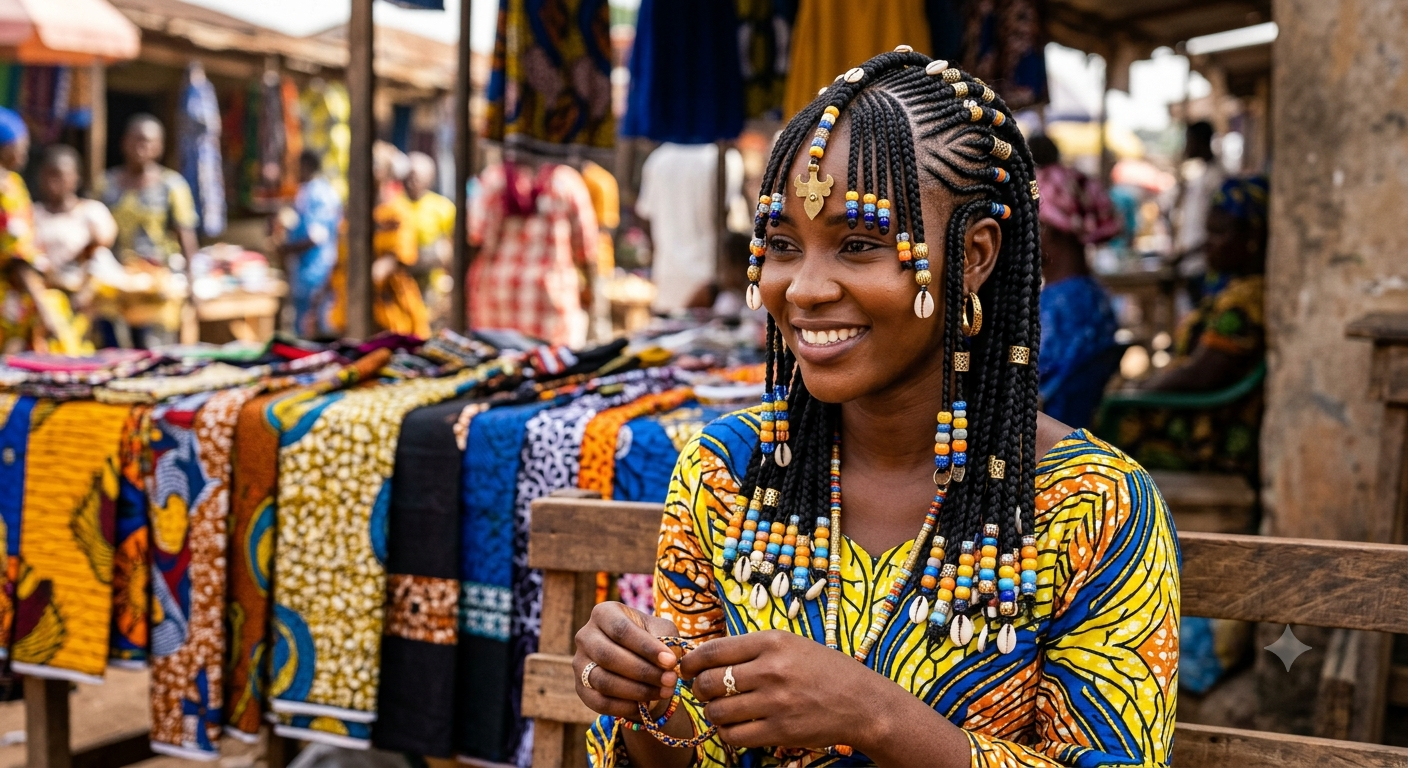
Fulani braids are one of the most recognizable and beautiful braided hairstyles in the world. Known for their intricate patterns and cultural significance, they combine elegance with practicality. While the style has become increasingly popular in modern fashion, its origins date back centuries and are deeply connected to the Fulani people of West Africa.
Today, Fulani braids are worn by people of different ages and backgrounds because they offer both style and convenience. They can be customized with beads, cuffs, rings, or colorful extensions, allowing each person to create a unique look that reflects their personality. Whether you’re looking for a protective hairstyle or simply want to try something new, this braid style offers plenty of versatility.
This complete guide explains everything beginners need to know about Fulani braids, including their history, benefits, popular styles, and tips for choosing the right look. By the end, you’ll have a better understanding of why this timeless hairstyle continues to inspire people around the world.
What Are Fulani Braids?
Fulani braids are a traditional braided hairstyle inspired by the Fulani ethnic group, one of the largest nomadic communities in West Africa. The style typically features neat cornrows braided toward the back of the head, along with one or more braids running down the center. Many designs also include loose side braids that frame the face, creating a distinctive and elegant appearance.
One of the defining characteristics of Fulani braids is their decorative elements. Beads, cowrie shells, metallic cuffs, and colorful accessories are often added to enhance the hairstyle. These details not only improve the overall look but also reflect cultural traditions that have been passed down through generations.
Although the hairstyle has evolved over time, its essential structure remains recognizable. Modern variations incorporate creative patterns, different braid sizes, and extensions while still honoring the traditional design that made Fulani braids famous.
The History and Cultural Significance of Fulani Braids
The history of Fulani braids stretches back hundreds of years. The hairstyle originated among the Fulani people, who are spread across several countries in West Africa, including Nigeria, Senegal, Mali, Guinea, and Niger. For generations, braided hairstyles have played an important role in expressing cultural identity, family heritage, and personal style.
Traditionally, hairstyles often carried symbolic meaning. The arrangement of braids, decorative beads, and accessories could indicate age, social status, marital status, or regional identity. These traditions made Fulani braids much more than a fashionable hairstyle—they became a form of cultural expression and storytelling.
Today, the hairstyle has gained worldwide recognition through celebrities, fashion shows, and social media. While modern interpretations introduce new styling ideas, many people continue to appreciate Fulani braids for their historical significance and connection to African heritage.
Benefits of Choosing Fulani Braids
One of the biggest advantages of Fulani braids is their ability to protect natural hair. Since much of the hair is neatly braided and tucked away, it experiences less daily manipulation, reducing breakage and helping retain length with proper care.
Another benefit is versatility. Fulani braids can be styled in numerous ways, from simple everyday looks to elaborate designs for weddings, parties, and special occasions. Accessories such as beads, rings, and cuffs make it easy to personalize the hairstyle without making permanent changes.
The hairstyle is also relatively low maintenance compared to daily styling. Once installed, Fulani braids can remain neat for several weeks with proper care, making them a practical option for busy individuals who want a stylish yet convenient protective hairstyle.
Popular Fulani Braids Styles
There are many creative ways to wear Fulani braids, making the hairstyle suitable for different preferences and face shapes. The classic version features medium-sized cornrows with a single braid running down the center of the scalp and decorative beads at the ends.
Modern variations often combine Fulani braids with knotless braids, box braids, curly ends, or feed-in techniques to create fuller and more natural-looking results. These updated styles provide additional flexibility while maintaining the hairstyle’s signature appearance.
Some people also experiment with color by adding blonde, burgundy, brown, or ombré hair extensions. Others prefer intricate geometric parting patterns that transform the hairstyle into a true work of art while preserving the traditional inspiration behind Fulani braids.
How to Choose the Right Fulani Braids Style
Choosing the right version of Fulani braids begins with considering your hair type, lifestyle, and personal preferences. Individuals with active lifestyles may prefer medium-sized braids because they are lighter, easier to maintain, and faster to install than extremely small braids.
Face shape also influences the final appearance. Longer face-framing braids can soften angular facial features, while symmetrical braid patterns often complement round or oval face shapes. Consulting an experienced braider can help determine which design best suits your features.
Finally, think about the accessories you’d like to include. Beads, shells, metallic cuffs, and colorful threads can dramatically change the overall style without altering the braid pattern itself. Choosing decorations that match your personality allows your hairstyle to feel unique while celebrating the timeless beauty of Fulani braids.
How Fulani Braids Are Installed
Creating Fulani braids begins with properly preparing the hair. The hair is washed, conditioned, and completely dried before the braiding process starts. Clean, moisturized hair provides a healthier foundation and helps the hairstyle last longer while reducing unnecessary tension on the scalp.
Next, the stylist sections the hair into precise parts according to the chosen design. The signature center braid, side braids, and cornrow patterns are carefully mapped out before braiding begins. Depending on the desired length and fullness, synthetic hair extensions may be added using the feed-in technique to create a seamless, natural-looking result.
The installation process usually takes between three and six hours, depending on the braid size, hair length, and complexity of the pattern. Although the appointment requires patience, the finished hairstyle can remain neat for several weeks when maintained correctly.
How to Care for Fulani Braids
Proper maintenance helps keep Fulani braids looking fresh while protecting your natural hair underneath. One of the most important steps is moisturizing the scalp regularly with a lightweight oil or braid-friendly moisturizing spray. This prevents dryness, reduces itching, and keeps the scalp comfortable throughout the life of the hairstyle.
Keeping the scalp clean is equally important. Instead of washing aggressively, gently cleanse the scalp using a diluted shampoo or braid cleanser. Carefully removing product buildup helps maintain healthy hair without causing unnecessary frizz or loosening the braids.
At night, protect the hairstyle by wearing a satin or silk bonnet or sleeping on a satin pillowcase. This simple habit reduces friction, minimizes frizz, and helps the braids stay neat for a longer period.
How Long Do Fulani Braids Last?
With proper care, Fulani braids typically last between four and eight weeks. The exact lifespan depends on factors such as hair growth, braid size, daily activities, and how well the hairstyle is maintained.
Smaller braids often remain neat slightly longer because they are more secure, while larger braids may loosen more quickly. Regular moisturizing and gentle handling can help extend the hairstyle without causing unnecessary wear.
Although it may be tempting to keep the braids installed for several months, doing so is generally not recommended. Removing them at the appropriate time allows the scalp to rest and reduces the risk of tangling, breakage, or excessive shedding.
Common Mistakes to Avoid
One common mistake is installing the braids too tightly. Excessive tension can cause scalp discomfort, headaches, and even hair loss around the hairline. The hairstyle should feel secure but never painfully tight.
Another frequent mistake is neglecting scalp care. Even though the hair is braided, the scalp still needs regular cleansing and moisturizing to remain healthy. Ignoring this step can lead to dryness, itching, and product buildup.
Many beginners also leave the hairstyle in for too long. While Fulani braids are considered a long-lasting protective style, wearing them beyond the recommended period may increase tangling and make the removal process more difficult.
Styling Ideas for Fulani Braids
One of the biggest advantages of Fulani braids is their versatility. They can be worn loose for a classic everyday appearance or gathered into a high ponytail for a sleek and practical style. This flexibility makes them suitable for both casual outings and formal occasions.
Half-up, half-down hairstyles are another popular option. This look highlights the detailed braid pattern while keeping hair away from the face, creating a balanced combination of elegance and comfort.
Accessories can further personalize the hairstyle. Decorative beads, metallic cuffs, cowrie shells, and colorful threads add extra character while allowing you to express your individual style without changing the braid pattern itself.
Frequently Asked Questions About Fulani Braids
Many beginners ask whether Fulani braids work for all hair types. In most cases, yes. Professional stylists can adapt the technique to suit different textures and lengths while ensuring the hairstyle remains secure and comfortable.
Another common question is whether extensions are required. While extensions are often used to create extra length and volume, they are not mandatory. Many people choose to braid only their natural hair for a lighter, more natural appearance.
People also wonder if they can exercise while wearing the hairstyle. Absolutely. Simply keep the scalp clean after workouts and allow it to dry completely to maintain both comfort and the longevity of the braids.
Conclusion
Fulani braids are much more than a stylish protective hairstyle. They represent a rich cultural tradition while offering a practical and versatile option for modern hair care. Their unique braid patterns, decorative accessories, and countless styling possibilities have helped them remain popular across generations.
With proper installation, regular maintenance, and healthy hair care habits, this hairstyle can stay beautiful for several weeks while protecting natural hair from excessive daily manipulation. Taking the time to care for both the braids and your scalp ensures the best possible results.
Whether you’re trying braided hairstyles for the first time or looking for a meaningful style inspired by African heritage, Fulani braids provide an excellent combination of beauty, history, and functionality. Their timeless appeal continues to inspire people around the world, making them one of the most admired braided hairstyles available today.